


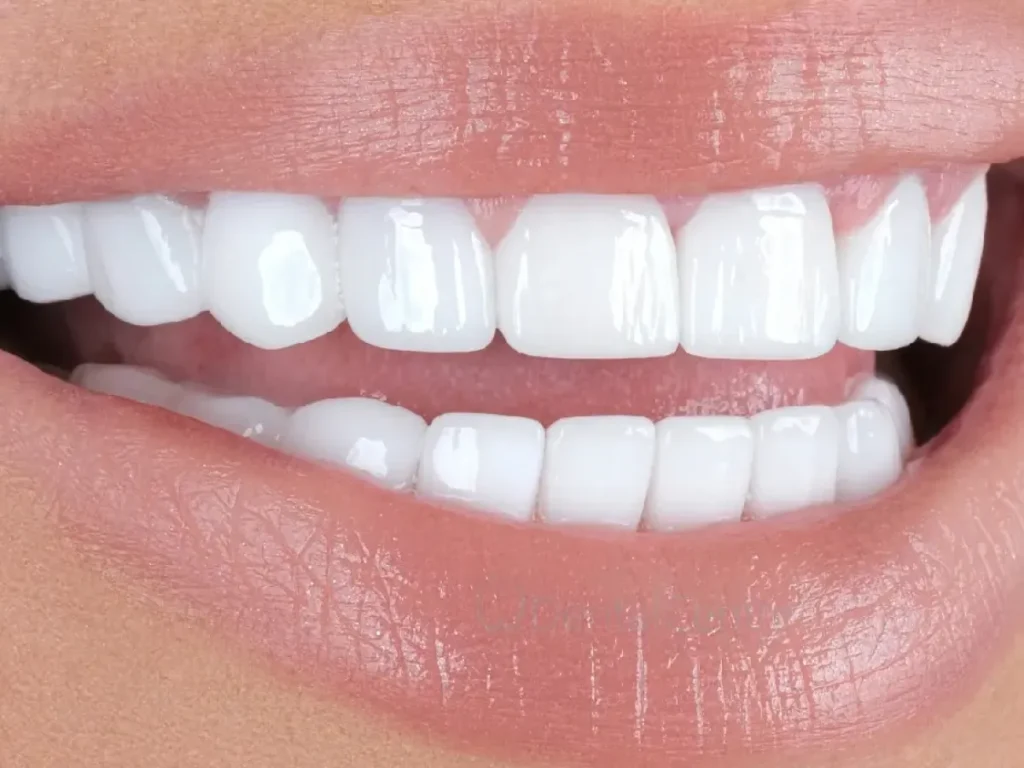
Dental implants are the most natural way to replace missing teeth, and one of the most searched dental treatments online. If you are thinking about implants, you probably have three questions: how they work, whether you are suitable, and what the process involves. This guide answers all three.
What is a dental implant?
An implant replaces the root of a missing tooth. It has three parts:
- The implant: a small titanium post placed in the jawbone. Over time the bone bonds to it, a process called osseointegration.
- The abutment: a connector that attaches to the implant and holds the new tooth.
- The crown: the visible tooth, usually made of zirconia or porcelain and matched to your natural teeth.
Because the implant is anchored in bone, it feels stable when you bite and does not rely on neighbouring teeth for support.
Am I a good candidate?
Most adults with one or more missing teeth can have implants. The key factors are enough healthy jawbone, healthy gums and good general health. Smoking and poorly controlled diabetes slow healing and raise the risk of complications, but they do not always rule implants out. If the bone has shrunk after a tooth was lost, a bone graft or sinus lift can often rebuild it first. A 3D scan shows exactly how much bone is available.
The treatment step by step
- Consultation and 3D planning. Scans and photos are used to plan the position, angle and length of each implant.
- Implant placement. The post is placed under local anaesthetic. Most patients say it is more comfortable than they expected.
- Healing. The bone bonds to the implant over roughly two to six months. A temporary tooth can often be worn in the meantime.
- The final crown. Once the implant is stable, the abutment and custom crown are fitted.
Single implants, bridges and full arches
One implant can replace one tooth. Two implants can support a bridge of several teeth. For people missing most or all of their teeth, All-on-4 or All-on-6 treatment fixes a full arch of teeth on four or six implants. This is often a far more comfortable alternative to removable dentures.
How long do implants last?
Implants have high long-term success rates, and the post itself can last for decades. The crown may need replacing after many years of wear. Long-term success depends on care: brush twice a day, clean between your teeth and around the implant, avoid smoking, and keep up regular check-ups. The main threat to an implant is gum inflammation around it (peri-implantitis), which good hygiene largely prevents.
What do implants cost?
The price depends on the implant system, the number of implants, the type of crown and whether grafting is needed. You can see our guide prices on the Prices page. A personal plan after your consultation gives you an exact figure.
Thinking about implants? Learn more about dental implants at Oval Smile, or book a free consultation and get your personal plan.


